
The moment you finish your undergraduate degree, the world feels wide open. It also feels completely uncertain. For years, you followed a structured path. You had semesters, syllabi, and a clear goal: graduation. Then, it is over. You are handed a diploma and expected to know exactly what comes next.
For many graduates, the options feel limited and uninspiring. You can enter the workforce immediately, often taking an entry-level job that doesn’t require a degree just to pay the bills. You can stay in your hometown, comfortable but wondering if you are missing something bigger. Or you can pursue a graduate degree, which in countries like the United States often means taking on tens of thousands of dollars in debt.
There is a fourth option that fewer people consider but more are pursuing every year: earning a Master’s degree abroad. It is a path that offers international experience, career acceleration, and often a lower price tag than staying home.
The challenge is that getting there is complicated. This is where Guimond Vukovic Group (GVG) comes in.
Why Students Are Choosing to Study Abroad
The decision to study in another country is not just about the degree. It is about the entire experience and what it signals to future employers.
First, there is the academic component. Many countries offer specialized Master’s programs that are highly regarded in specific industries. A one-year program in the UK, for example, allows you to earn a degree from a globally recognized institution and return to the job market in half the time it would take in the US.
Second, there is the cultural component. Living and studying in another country forces you to adapt, become independent, and understand how the world works outside your own borders. Employers value this. It demonstrates resilience, curiosity, and the ability to navigate unfamiliar situations.
Third, there is the network. Studying abroad connects you with classmates from around the world. These are not just friends; they are future contacts in different countries and industries. A strong international network can open doors that a local degree never could.
Finally, there is the cost. In countries like Germany, public universities charge minimal tuition fees, even for international students. In Canada, the cost of living and tuition can be competitive with US institutions, and the pathway to permanent residency is clearer. Studying abroad is not just an academic decision; it is a financial strategy.
The Financial Reality
Money is the primary concern for most students considering graduate school. The good news is that you do not need to have all the cash upfront. You need a plan.
GVG helps students build a financial package that combines multiple sources of funding.
Scholarships are the foundation. Many international universities offer merit-based scholarships, need-based grants, and program-specific funding for international students. These awards can cover a significant portion of tuition. GVG helps students identify which scholarships they are eligible for and guides them through the application process. They understand that scholarships are not just for the top 1% of students; they are available for a wide range of applicants who know where to look.
Student loans fill the gaps. When scholarships do not cover the full cost, international student loans are a viable option. There are global lenders who specialize in financing education for students studying outside their home country. These loans can cover tuition, living expenses, and travel. Because this is a high-value financial product, it is an area where students need clear, unbiased guidance. GVG helps students understand the terms, compare lenders, and make informed decisions about borrowing.
Personal savings and family contributions are also part of the equation. GVG helps students build a realistic budget that accounts for all expenses, not just tuition. They want students to arrive in their new country with a clear understanding of what they will spend and how they will manage their money.
The goal is to create a funding package that allows you to attend the best possible university without drowning in debt. It is about being strategic, not just hopeful.
Where to Go
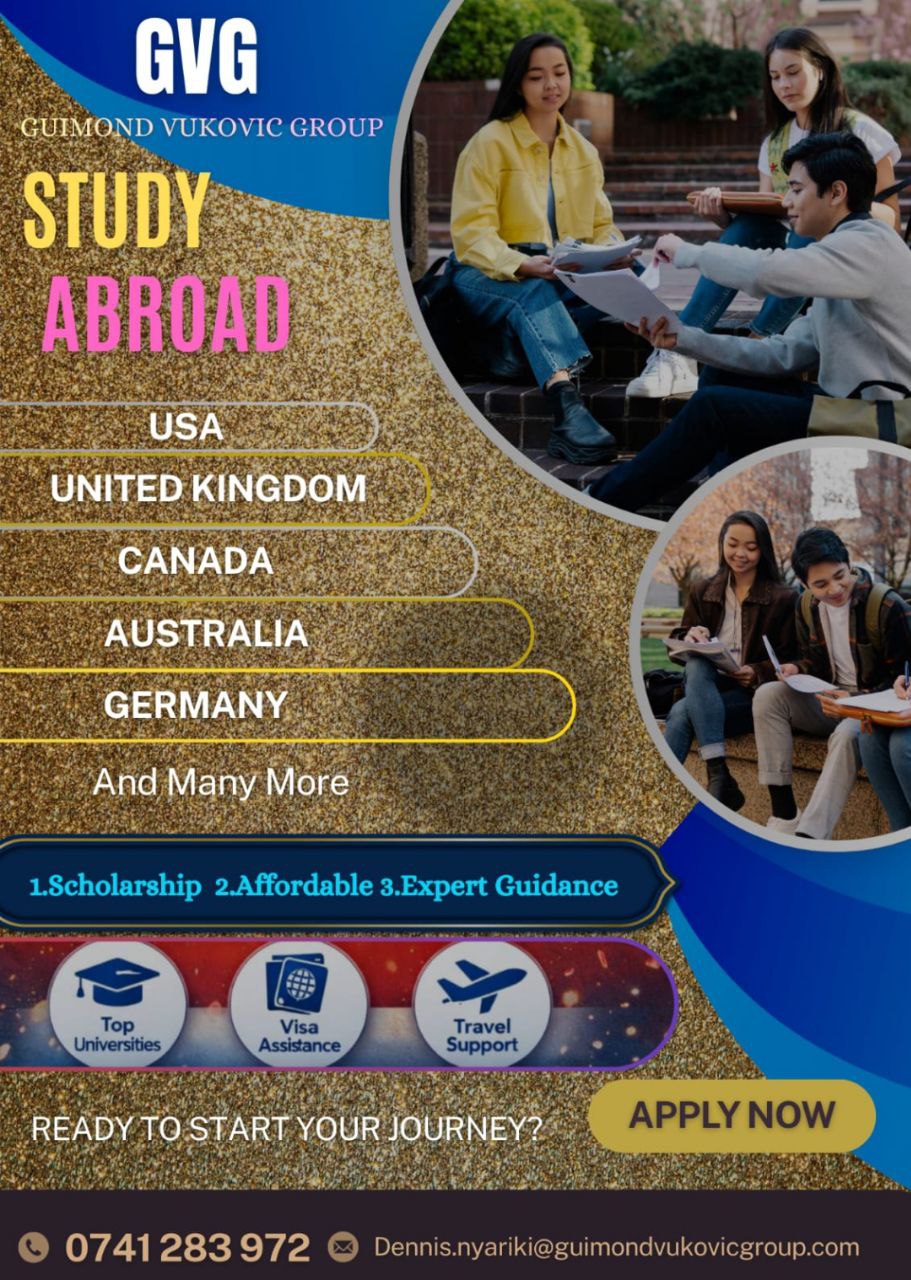
Different countries offer different advantages. The right fit depends on your academic goals, career aspirations, and personal preferences. GVG works with institutions in several key destinations.
The United Kingdom is a top choice for many students. The one-year Master’s programs are intense but efficient. You get a world-class degree and you are back in the job market quickly. The UK also has strong post-study work visa options, allowing graduates to stay and work for two years after completing their degree.
Canada has become one of the most popular destinations for international students. The quality of education is high, the culture is welcoming, and the immigration pathways are clear. Students who complete a degree in Canada can often apply for a Post-Graduation Work Permit, which is a stepping stone to permanent residency. For students who want to build a new life abroad, Canada is a strong contender.
Australia offers a relaxed lifestyle and a strong job market. Australian universities are well-regarded globally, and the country has a points-based immigration system that favors skilled graduates. Students can work part-time while studying, which helps with living costs and provides valuable local work experience.
Germany is the destination for students who prioritize affordability. Public universities charge very low tuition fees, even for international students. You will need to cover living expenses, which are reasonable compared to other Western European countries. Germany is particularly strong for engineering, technology, and natural sciences.
The United States remains a draw for many students, despite the high tuition costs. The US has the largest number of top-ranked universities in the world, and a US degree carries significant weight in many industries. For students who can secure scholarships or have funding in place, the US offers unparalleled academic and professional opportunities.
GVG does not just send students to one country. They assess your profile and goals and help you find the best fit.
The Costs You Must Plan For
Tuition and rent are the big-ticket items, but they are not the only expenses. Students who study abroad often overlook costs that can add up quickly.
Travel expenses include flights to your destination, but also travel during breaks and a potential trip home for holidays. International flights are expensive, and they need to be factored into your budget.
Accommodation deposits are often required before you arrive. Many student housing providers require a security deposit equal to one or two months’ rent. This is cash you need to have available before you set foot in the country.
Visa fees vary by country but can be several hundred dollars. You may also need to pay for a medical exam, police background checks, and translations of documents.
Health insurance is mandatory in most countries. Even if you are young and healthy, you cannot skip this. Some universities include insurance in their fees; others require you to purchase it separately.
Banking and currency exchange are often overlooked. Transferring money internationally incurs fees, and exchange rates fluctuate. Students need a plan for how they will access money, pay bills, and manage their finances in a new currency.
These hidden costs are often the trigger for unexpected financial stress. GVG helps students anticipate them and build them into their overall plan.
Visas and Immigration
The visa application is the most stressful part of the process for many students. It is also the most critical. One mistake can delay your start date by a year.
The basic requirements are consistent across most countries. You need an acceptance letter from a recognized university. You need proof of financial support, which can be a combination of scholarships, loans, and bank statements. You need a valid passport with enough blank pages and enough time before expiration. You need health insurance. And you need to complete the application forms accurately and submit them on time.
Where it gets complicated is the variation between countries. The documents required for a UK student visa are different from those required for Canada. The timelines are different. The interview processes are different.
GVG provides guidance on the specific requirements for your chosen destination. They help you understand what you need, when you need it, and how to present it. They do not replace a qualified immigration lawyer, but they help you navigate the standard application process without getting lost.
What Happens After Graduation
The degree is the immediate goal, but the long-term goal is a successful career. Studying abroad should be a launchpad, not just an extended vacation.
Many countries offer post-study work visas that allow graduates to stay and work for a period after completing their degree. The UK offers a two-year Graduate Visa. Canada offers a Post-Graduation Work Permit that can lead to permanent residency. Australia has similar pathways. These programs are designed to attract talented graduates and keep them in the country.
Even if you plan to return home, an international degree sets you apart. You have demonstrated that you can succeed in a different culture. You have built a global network. You have experience navigating complex systems. These are all things employers notice.
GVG works with students on career development, helping them understand how to leverage their international experience in the job market. The goal is not just to get you abroad; it is to ensure that your time abroad translates into a better career.
How Guimond Vukovic Group Helps
GVG provides a structured pathway for students who want to study abroad. They handle the complexity so you can focus on your goals.
The process begins with a one-on-one consultation. They want to understand your academic background, your career interests, and what you hope to achieve by studying abroad. This conversation sets the direction for everything that follows.
Next is university placement. Based on your goals, they identify institutions that offer strong programs in your field. They help you prepare applications that highlight your strengths and match you with schools where you have a genuine chance of admission.
Then comes scholarship and funding support. They help you identify financial aid opportunities and guide you through the application process. They also provide information on student loans for the gaps that scholarships do not cover.
Once you are accepted, they provide visa and logistics guidance. They help you understand the requirements and avoid common mistakes.
Finally, they focus on career development. They help you understand how your international degree will translate into career opportunities, whether you stay abroad or return home.
Is Studying Abroad Right for You?
Studying abroad is not for everyone. It requires adaptability, resilience, and a willingness to step outside your comfort zone. You will be far from family and friends. You will navigate bureaucracy in a foreign language. You will have to build a new support system from scratch.
But for those who are willing to take the leap, the rewards are substantial. You get a world-class education. You gain international experience. You build a global network. You position yourself for a career that is not limited by borders.
If you are a graduate wondering what comes next, you do not have to settle for the path of least resistance. You can choose a different route. You can earn a Master’s degree abroad and build the future you actually want.
Speaking with a specialist can turn that idea from a dream into a concrete plan.
To learn more about your options:
Call / WhatsApp: 0741 283 972
Email: dennis.nyariki@guimondvukovicgroup.com