
BBC Job Cuts: What 2,000 Layoffs Mean for Kenya’s Media and Creative Industry
NAIROBI, Kenya – BBC Job Cuts 2026

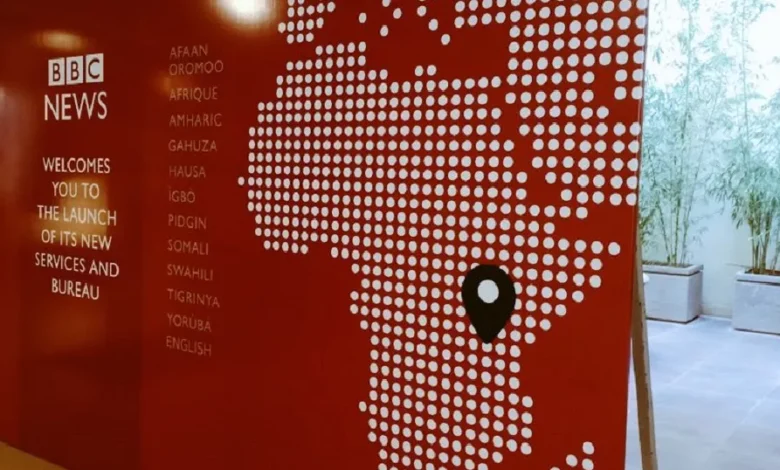
BBC Job Cuts: What 2,000 Layoffs Mean for Kenya’s Media and Creative Industry.
The British Broadcasting Corporation’s announcement that it will cut two thousand jobs, representing nine point three percent of its global workforce, has sent ripples through Kenya’s media and creative sectors, where the broadcaster has maintained a significant presence for decades.
The BBC has long been one of the largest international employers of Kenyan journalists, producers, technicians, and support staff through its Nairobi bureau, which serves as a regional hub for East Africa.




While the full impact on the Nairobi office remains unclear, Kenyan media professionals are bracing for potential reductions as the corporation seeks to save five hundred million pounds amid declining licence fee revenues and rising production costs.
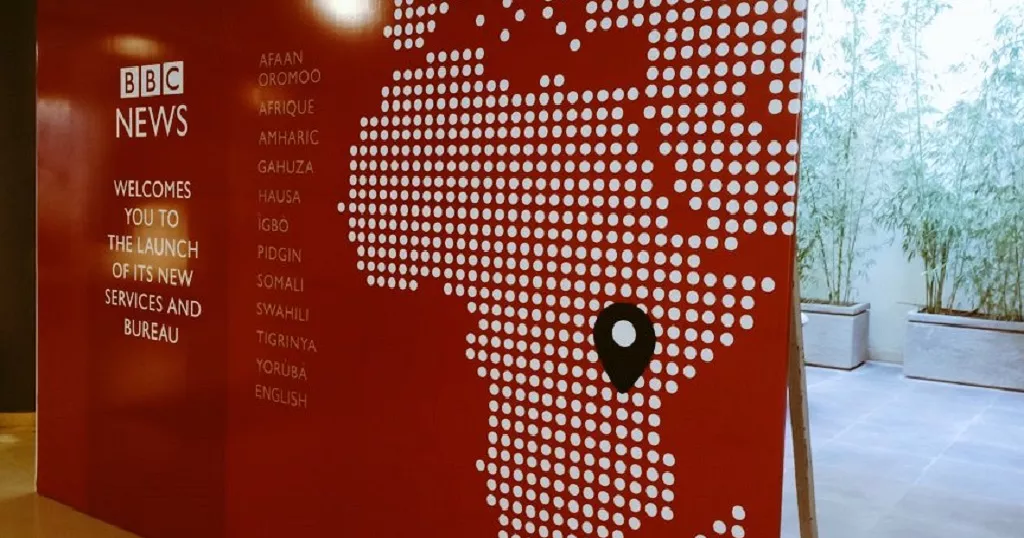
The BBC’s Nairobi bureau is one of the most prominent international news operations on the continent, producing content for BBC World Service, BBC News, BBC World News television, and digital platforms.
The bureau covers East and Central Africa, employing dozens of Kenyan journalists, camera operators, sound engineers, producers, translators, and administrative staff. The Swahili Service, which reaches millions of listeners across East Africa, is also largely produced and managed from Nairobi.
Industry insiders suggest that the cuts could hit the World Service particularly hard, as it is funded primarily by the UK government’s grant-in-aid rather than the licence fee, but remains subject to broader cost-saving measures across the corporation. The World Service has already faced budget reductions in recent years, leading to the closure of some language services and reduction of programming.
The Kenya Union of Journalists has expressed concern about the potential loss of jobs for Kenyan media professionals who have built careers at the BBC. Union officials note that BBC jobs are highly sought after in Kenya’s media industry, offering competitive salaries, professional development opportunities, and international exposure.
The broadcaster has trained hundreds of Kenyan journalists through various capacity-building programmes, partnered with local media houses on content sharing and co-productions, and provided a platform for Kenyan stories to reach global audiences. The Swahili Service, in particular, has been a vital source of trusted news for millions of Swahili speakers across the region.
The creative industry also stands to be affected. The BBC commissions content from independent Kenyan production companies, documentary filmmakers, and creative agencies. Any reduction in commissioning budgets would directly impact these businesses, many of which rely on BBC contracts as a stable source of revenue.
Kenyan freelancers who work regularly for the BBC are particularly vulnerable. The corporation has already indicated it will restrict hiring to only essential roles and reduce spending on external contractors and consultants. Freelance journalists, fixers, translators, and production crew who supplement their income through BBC assignments may find those opportunities drying up.
The timing of the announcement is particularly concerning for Kenyan media workers, coming as the industry already faces challenges including digital disruption, declining advertising revenues, and the lingering effects of economic pressures that have affected media houses across the country. The loss of BBC jobs would add to a difficult landscape for journalism employment in Kenya.
The BBC has not yet provided specific details on which departments or regional offices will be most affected. A spokesperson indicated that further announcements on service and staffing changes are expected in the coming months. For now, Kenyan employees and freelancers associated with the BBC remain in a state of uncertainty, awaiting clarity on whether the Nairobi bureau will be spared or included in the restructuring.
The Kenya Film and Television Professionals Association has also raised concerns, noting that the BBC’s production work in Kenya supports not just journalists but also a wider ecosystem of creative professionals including camera crews, sound designers, editors, and location managers.
As Kenyan media professionals await clearer guidance from the BBC, the announcement serves as a stark reminder of how global economic pressures on major international broadcasters can have significant local consequences, even thousands of miles away from headquarters.